
Education
Understanding Duaction in the Modern World

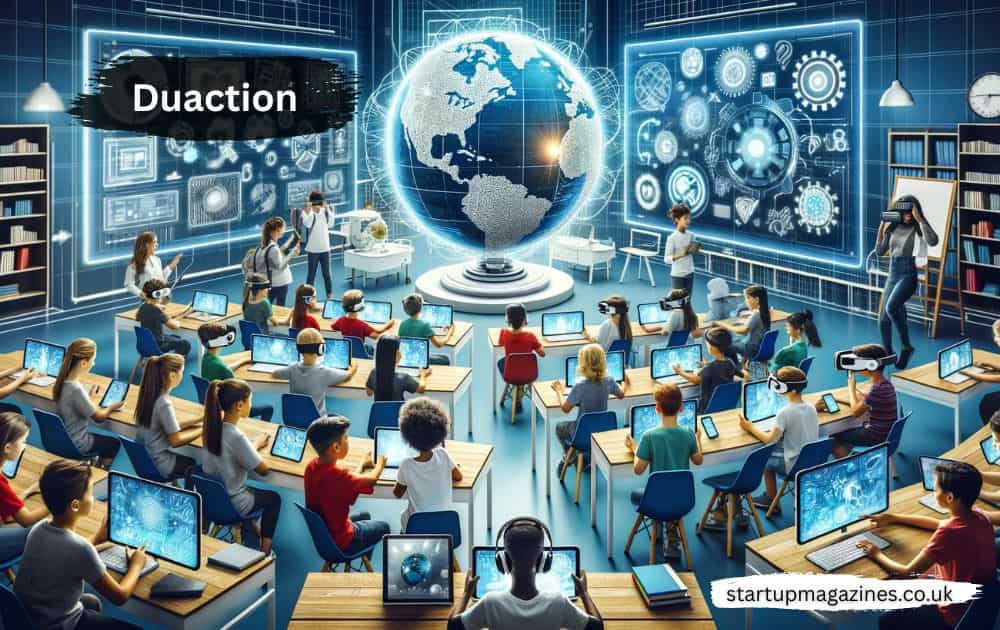
Duaction is an emerging concept that blends learning and action into a unified process. Instead of separating theory and practice, it encourages both to occur simultaneously. In today’s fast-moving world, this approach helps people adapt quickly and develop practical skills faster. Many modern systems in education, business, and technology are already shifting toward this model. Duaction can be seen as a bridge between understanding and doing, where knowledge is immediately tested through real-world application.
What Does Duaction Mean?
The term duaction is formed from two ideas: “dual” and “action,” meaning two processes working together simultaneously. It refers to a system where learning is not passive but directly connected with practical execution. When a person learns something, they apply it instantly rather than waiting for a separate practice stage. This makes the learning experience more effective and memorable. Duaction ensures that knowledge is not just stored but actively used in real situations for better understanding and performance.
Origin of the Term Duaction
The concept of duaction is inspired by traditional learning methods such as apprenticeships where learners gained skills by doing tasks alongside experts. Although the word is modern, the idea behind it has existed for centuries in practical training systems. In the digital age, this concept has been reshaped into structured learning frameworks supported by technology. Online platforms and simulation-based education have made it easier to apply duaction principles. Today, it represents a modern evolution of hands-on learning practices.
Evolution of Duaction Concept
Duaction has evolved from simple experiential learning into a structured approach used in multiple industries. Earlier, people relied on observation and repetition, but now digital systems allow instant practice and feedback. Educational tools, virtual labs, and interactive software have transformed how knowledge is applied. This evolution has made learning more dynamic and personalized for individuals. As a result, duaction has become an important concept in modern skill development and training systems.
Early Roots in Learning Systems
In early education systems, learning was mostly based on observation and repetition. Students often learned by watching experts and then practicing under supervision. This method naturally reflected duaction principles because learning and doing were closely connected. Craftsmen, artisans, and professionals used this model to pass skills to the next generation. Even without formal terminology, the foundation of duaction existed in these traditional methods. It proved that real understanding comes from experience rather than theory alone.
Modern Digital Transformation
With the rise of digital technology, duaction has taken a more advanced form. Online learning platforms now allow users to apply concepts immediately after learning them. Coding websites, virtual simulations, and interactive courses are perfect examples of this transformation. These tools help learners practice in real time and correct mistakes instantly. This digital shift has made education more flexible and efficient. It also supports self-paced learning, where individuals can grow at their own speed.
Core Principles of Duaction
Duaction is based on the principle that learning and action should happen together rather than separately. This approach ensures that knowledge is immediately tested and reinforced through experience. It reduces the gap between understanding a concept and using it in real life. Another important principle is continuous improvement through feedback. Every action provides results that help refine the next step. This cycle creates a powerful learning system that grows stronger over time.
Dual Process Integration
Dual process integration means combining two essential activities—learning and doing—into one continuous flow. Instead of studying first and practicing later, both occur simultaneously. This helps learners stay engaged and focused on real-world application. It also improves memory retention because knowledge is linked with action. By integrating both processes, individuals develop a deeper understanding of concepts. This approach is especially useful in skill-based learning environments.
Action-Based Learning Cycle
The action-based learning cycle is a key part of duaction where every piece of knowledge is immediately applied. After learning a concept, the learner performs a related task to test understanding. The results of that action are then analyzed for improvement. This cycle continues repeatedly, strengthening both knowledge and skills. It encourages active participation rather than passive learning. Over time, this method builds confidence and practical expertise.
How Duaction Works
Duaction works through a continuous loop of learning, applying, and improving. A person first learns a concept, then applies it in a practical situation, and observes the results. Based on those results, they adjust their understanding and try again. This process ensures constant growth and improvement. It is a structured yet flexible system that adapts to individual learning needs. The more this cycle repeats, the stronger the skill development becomes.
Step-by-Step Mechanism
The step-by-step mechanism of duaction explains how learning is systematically turned into action and improvement in a continuous cycle. It ensures that every stage of understanding is immediately applied and refined through real experience. This structured flow helps learners build stronger skills with consistent practice.
- Learn a concept or idea
- Apply it immediately in a practical task
- Analyze the results or feedback
- Adjust understanding based on performance
- Repeat the cycle for mastery
Feedback Loop System
The feedback loop system is what makes duaction effective and dynamic. Every action produces results that guide the next learning step. This real-time feedback helps identify mistakes quickly and correct them. It also ensures that learning is always aligned with real-world outcomes. Over time, this loop creates a self-improving system where knowledge and action continuously support each other. This makes learning more efficient and adaptive.
Duaction in Education
In education, duaction is transforming how students learn and practice skills. Instead of relying only on lectures, students are encouraged to apply concepts immediately. Project-based learning, experiments, and interactive assignments are common examples. This approach improves understanding and retention significantly. It also makes learning more engaging and practical for students. Teachers act as guides who help students apply knowledge effectively in real situations.
Classroom Applications
In classrooms, duaction is used through hands-on activities and real-time exercises. Students learn a concept and then immediately perform related tasks. For example, science students conduct experiments right after studying theories. This method helps them understand concepts more deeply. It also encourages active participation and critical thinking. As a result, students become more confident in applying what they learn.
Online Learning Platforms
Online learning platforms have fully embraced duaction by combining lessons with interactive tasks. Learners watch videos or read materials and then complete exercises instantly. This immediate practice helps reinforce understanding. Many platforms also provide instant feedback to improve performance. This makes online education more effective and personalized. It allows learners from anywhere in the world to gain practical skills efficiently.
Duaction in Business
Businesses use duaction to improve employee training and productivity. Instead of long theoretical sessions, employees learn while performing actual tasks. This reduces training time and increases efficiency. It also helps workers adapt quickly to new roles and responsibilities. Companies benefit from faster skill development and better performance outcomes. Duaction creates a more practical and results-driven work environment.
Productivity Enhancement
Duaction enhances productivity by eliminating the gap between learning and execution. Employees apply new skills immediately in their work environment. This reduces downtime and improves overall efficiency. It also allows teams to learn and grow while completing tasks. As a result, organizations achieve better output in less time. This approach supports continuous improvement in workplace performance.
Real-Time Decision Making
In business environments, duaction supports real-time decision-making. Managers can test strategies and instantly observe results. Based on feedback, they can adjust their approach quickly. This flexibility helps companies stay competitive in fast-changing markets. It also reduces risks associated with delayed decisions. Real-time adaptation ensures better outcomes and stronger business performance.
Duaction in Technology
Technology systems widely use duaction principles, especially in artificial intelligence and automation. These systems learn from data and immediately apply improvements. For example, recommendation engines adjust suggestions based on user behavior. This creates a continuous cycle of learning and action. It allows machines to become smarter over time. Duaction plays a key role in building adaptive digital systems.
AI and Automation Integration
Artificial intelligence uses duaction by constantly learning from user interactions. It applies this learning to improve future responses and predictions. Automation systems also adjust processes based on real-time data. This integration makes technology more intelligent and efficient. It allows machines to operate with minimal human intervention. The result is faster and more accurate performance.
Smart Systems and Real-Time Adaptation
Smart systems like IoT devices and autonomous vehicles rely heavily on duaction principles. These systems collect data, analyze it instantly, and respond accordingly. For example, smart homes adjust lighting and temperature automatically. Autonomous cars make driving decisions in real time. This level of adaptation improves safety and convenience. It shows how duaction is shaping modern technology.
Benefits of Duaction
Duaction offers several important advantages by combining learning and action into a single continuous process. It helps individuals learn faster, retain knowledge better, and apply skills in real-time situations. This approach is especially useful in education, business, and technology where practical understanding matters most.
Key benefits include:
- Faster learning and skill development
- Better knowledge retention through practice
- Improved real-world application of concepts
- Increased productivity and efficiency
- Stronger problem-solving abilities
Skill Development Advantages
Duaction significantly enhances skill development by merging learning with immediate practical application, allowing individuals to build experience while they study. This approach strengthens understanding and helps retain knowledge for longer periods. It also encourages active participation, making learners more confident and capable in real-world situations.
Key Points:
- Faster skill acquisition through real-time practice
- Improved knowledge retention and understanding
- Increased confidence in practical application
- Stronger problem-solving abilities through experience
Efficiency and Time Management
One of the biggest advantages of duaction is improved efficiency. Since learning and action happen together, time is used more effectively. There is no waiting between instruction and practice. This makes the learning process faster and more productive. It also helps individuals manage their time better. Overall, duaction optimizes both learning speed and performance.
Challenges of Duaction
Despite its benefits, duaction also faces challenges such as implementation difficulty and resource requirements. Not all institutions or organizations are ready to adopt this model. It requires updated systems and trained professionals. Some learners may also struggle with fast-paced learning environments. These challenges must be addressed for successful adoption. Proper planning and support are essential for implementation.
Implementation Barriers
One major challenge is the lack of infrastructure to support duaction. Traditional systems are often not designed for real-time learning and application. Changing these systems requires time and investment. Resistance to change can also slow down adoption. Institutions must redesign their teaching and training methods. This makes implementation a gradual process.
Resource and Skill Limitations
Another challenge is the need for skilled trainers and modern tools. Without proper resources, duaction cannot function effectively. Many organizations lack the technology required for real-time feedback systems. Skilled educators are also needed to guide learners. These limitations can slow down the adoption process. However, with investment and training, these challenges can be overcome.
Future of Duaction
The future of duaction is closely linked with advancements in technology and education. Artificial intelligence, virtual reality, and smart systems will make duaction even more powerful. Learning will become more personalized and adaptive. Real-time feedback systems will become standard in most industries. Duaction will likely play a major role in shaping future education and workplace training models.
Conclusion
Duaction represents a modern shift in how people learn and apply knowledge. It combines learning and action into a single continuous process that improves efficiency and understanding. This approach is transforming education, business, and technology. By reducing the gap between theory and practice, duaction helps individuals develop skills faster and more effectively. It is a powerful concept that continues to shape the future of learning and performance.
FAQs About Duaction
1. What is duaction in simple terms?
Duaction is a learning method where studying and practicing happen at the same time for better understanding.
2. Where is duaction used today?
It is used in education systems, business training, online learning platforms, and modern technology.
3. Why is duaction important?
It improves learning speed, skill development, and practical understanding by combining theory with action.
4. Is duaction the same as practical learning?
It is similar but more advanced because it integrates learning and action continuously in a cycle.
5. What is the future of duaction?
The future includes AI-driven learning, smart systems, and real-time adaptive education environments.


Nimedes: Exploring Nimede, Nimedical, and Eesti Nimede Statistika

Myreadignmnaga: Understanding the Growing Popularity of Online Manga Reading

Pabington: Meaning, Purpose, and Growing Online Curiosity

Be1crypto.com Investment: A Complete Guide for Smart Investors

Keine Karriere Subdomain Gefunden: What It Means and How to Fix It
