
Trends
Kouskousi: A Cultural Dish with Global Meaning and the Story Behind Ioanna Kouskousi

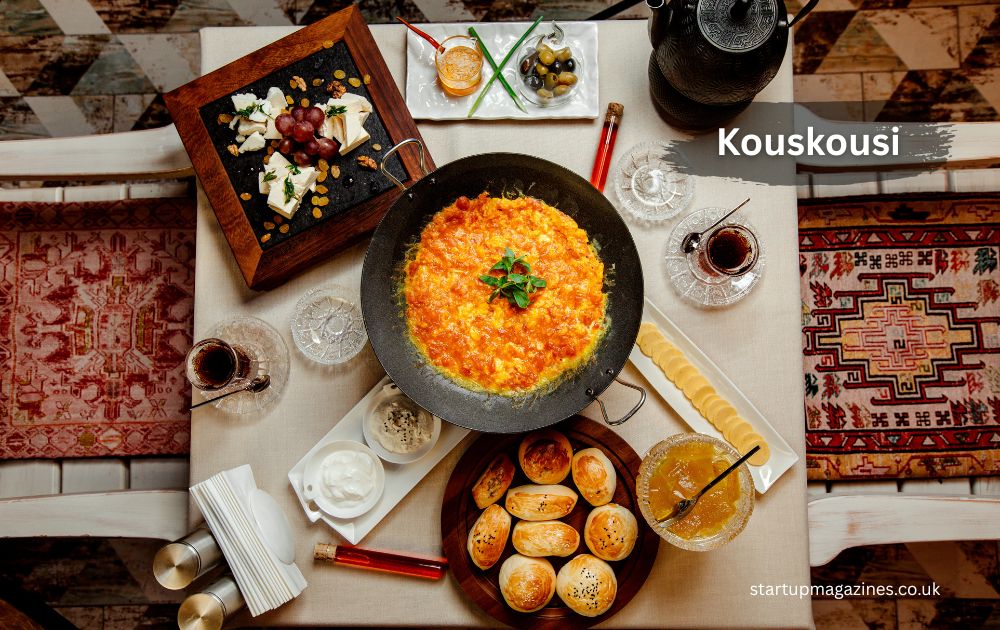
Kouskousi is a fascinating culinary term that carries different meanings depending on where you encounter it, yet it always connects back to food and culture. In many regions, it refers to a semolina-based dish similar to couscous, while in others it represents a small pasta used in Mediterranean cooking. This dual identity makes kouskousi more than just a dish; it becomes a symbol of how food evolves across borders. Its simplicity hides a deeper cultural richness that has developed over centuries. Whether served in a traditional setting or a modern kitchen, kouskousi reflects heritage, adaptability, and shared human experiences around food.
Is Kouskousi the Same as Couscous?
Kouskousi is often considered another name for couscous, but the relationship between the two is slightly more nuanced than it appears. In North African traditions, the terms are essentially interchangeable, both referring to steamed semolina grains that form the base of a hearty meal. However, in some European contexts, particularly in Greece, kouskousi may describe a pasta-like ingredient with a firmer texture. This distinction highlights how language and culinary practices evolve together over time. Despite these variations, both forms share a common foundation rooted in wheat and simple preparation methods.
Regional Interpretations of Kouskousi
The beauty of kouskousi lies in its ability to adapt to different cultural environments, resulting in a variety of regional interpretations. In North Africa, it is typically served with vegetables, meat, and aromatic spices, creating a comforting and flavorful dish. In contrast, Mediterranean versions may use kouskousi as a base for soups or baked meals, giving it a slightly different culinary role. This diversity shows how a single concept can transform depending on local ingredients and traditions. It is like a traveler who changes with each destination yet retains a core identity that remains recognizable.
Historical Origins of Kouskousi
The history of kouskousi can be traced back to ancient Berber communities in North Africa, where it served as a staple food for generations. These communities developed techniques to roll semolina into small granules and steam them, creating a dish that was both nutritious and easy to prepare. Over time, this method spread across regions through trade and migration, allowing kouskousi to evolve and gain popularity. Its journey from a local staple to a globally recognized dish reflects the power of cultural exchange. Today, it stands as a reminder of how traditional foods can transcend time and geography.
Berber Roots and Early Traditions
The Berber people played a crucial role in shaping what we now know as kouskousi, turning it into a cornerstone of their daily diet. Preparing the dish required patience, skill, and a deep understanding of ingredients, making it a respected culinary practice. Families often gathered to prepare kouskousi together, turning cooking into a shared experience that strengthened bonds. This tradition emphasized the importance of community and cooperation in everyday life. Even today, these early practices continue to influence how kouskousi is prepared and enjoyed in many households.
Spread Across North Africa and Beyond
As trade routes expanded, kouskousi traveled beyond its place of origin and reached new regions across the Mediterranean. Merchants and travelers introduced the dish to different cultures, each of which added its own unique twist. This exchange of ideas and ingredients helped kouskousi become a versatile and widely appreciated dish. Its ability to adapt made it a favorite in both traditional and modern kitchens. The spread of kouskousi demonstrates how food can act as a bridge between cultures, connecting people through shared tastes and experiences.
Cultural Importance of Kouskousi
Kouskousi holds a special place in many cultures, where it is often associated with gatherings, celebrations, and meaningful occasions. Serving the dish is seen as an act of hospitality and generosity, reflecting values that go beyond food. It brings people together, encouraging conversation and connection around a shared meal. This cultural significance makes kouskousi more than just a dish; it becomes a symbol of unity and belonging. Its presence at important events highlights its role in strengthening social ties and preserving traditions.
Role in Family Gatherings
In many households, kouskousi is a central feature of family gatherings, where it is served in large communal dishes. This style of dining encourages everyone to share the same meal, creating a sense of togetherness and equality. Preparing kouskousi often involves multiple family members, each contributing to the process. This collaborative effort turns cooking into a bonding activity that goes beyond the kitchen. The experience of sharing kouskousi strengthens relationships and creates lasting memories for those involved.
Symbol of Hospitality and Unity
Kouskousi is widely recognized as a symbol of hospitality, often offered to guests as a gesture of welcome and respect. The act of sharing this dish reflects a desire to create a warm and inclusive environment. It shows how food can be used to express kindness and build connections between people. In many cultures, offering kouskousi is a way of saying that everyone is valued and appreciated. This sense of unity is what makes the dish so meaningful, turning a simple meal into a powerful social experience.
Ingredients That Define Kouskousi
The ingredients used in kouskousi are simple yet versatile, allowing the dish to be adapted to different tastes and preferences. The base is typically made from semolina, which is transformed into small granules through careful preparation. Vegetables such as carrots, zucchini, and onions are commonly added, along with proteins like chicken or lamb. These ingredients come together to create a balanced and satisfying meal. The simplicity of the components allows the natural flavors to shine, making kouskousi both comforting and nourishing.
Core Ingredients Explained
At the heart of kouskousi are its core ingredients, which provide both structure and flavor to the dish. Semolina serves as the foundation, offering a light and fluffy texture when properly prepared. Vegetables add freshness and color, while proteins contribute richness and depth. Each ingredient plays a specific role, creating a harmonious balance that defines the dish. This combination of elements is what makes kouskousi so versatile and widely loved. It is a perfect example of how simple ingredients can create something truly special.
Common Spices and Flavors
Kouskousi gets its rich and comforting taste from a careful blend of warm spices that enhance both aroma and flavor. These spices are simple but powerful, turning a basic grain dish into something deeply satisfying and memorable.
- Cumin: adds earthy warmth and depth
- Turmeric: gives color and mild bitterness
- Paprika: brings a gentle smoky sweetness
- Cinnamon: adds a subtle sweet-spicy note
Traditional Cooking Methods
Traditional methods of preparing kouskousi involve steaming the grains over a simmering broth, allowing them to absorb flavor while maintaining their texture. This process requires patience and attention to detail, as the grains must be carefully fluffed between steaming sessions. The result is a light and airy dish that is both visually appealing and delicious. These methods have been passed down through generations, preserving the authenticity of the dish. They highlight the importance of technique in creating the perfect kouskousi.
Steaming Technique
The steaming technique is a defining feature of traditional kouskousi preparation, setting it apart from other grain-based dishes. The grains are placed in a special pot and exposed to steam, which cooks them evenly without making them sticky. This method ensures that each grain remains separate and fluffy. It requires skill and experience to achieve the desired texture, making it a respected culinary practice. The technique reflects the care and precision that go into preparing authentic kouskousi.
Modern Cooking Adaptations
Modern cooking methods have made it easier to prepare kouskousi, allowing more people to enjoy the dish without spending hours in the kitchen. Instant versions and simplified techniques have become popular, especially in busy households. While these adaptations may differ from traditional methods, they still capture the essence of the dish. They demonstrate how kouskousi continues to evolve to meet the needs of modern lifestyles. This balance between tradition and convenience ensures its ongoing popularity.
Nutritional Value of Kouskousi
Kouskousi is known for its nutritional benefits, making it a healthy addition to many diets. It provides carbohydrates for energy, along with essential vitamins and minerals from vegetables and proteins. When prepared with balanced ingredients, it can serve as a complete and satisfying meal. Its light texture also makes it easy to digest, adding to its appeal. These qualities make kouskousi a practical and nutritious choice for everyday dining.
Health Benefits
Kouskousi offers a range of nutritional advantages, making it a smart addition to a balanced diet while still being light and satisfying. It supports overall wellness by providing essential nutrients and energy in a simple, adaptable meal.
- Rich in complex carbohydrates for sustained energy
- Contains plant-based protein when paired with legumes
- Provides fiber that aids digestion
- Low in fat, making it a heart-friendly option
Dietary Considerations
While kouskousi offers many advantages, it is important to consider dietary restrictions when preparing it. Traditional versions contain gluten, which may not be suitable for everyone. Alternatives made from gluten-free grains can be used to accommodate different needs. This adaptability ensures that the dish can be enjoyed by a wider audience. It highlights the importance of inclusivity in modern cooking practices.
Kouskousi in Modern Global Cuisine
Kouskousi has gained popularity in global cuisine, appearing in a variety of dishes and culinary styles. Chefs around the world experiment with new ways to incorporate it into their menus. Its versatility makes it suitable for both traditional and contemporary recipes. This global presence reflects its ability to adapt and remain relevant. It shows how a simple dish can become a universal favorite.
Popularity in Restaurants
Many restaurants have embraced kouskousi as a versatile and appealing menu item, offering it in both classic and innovative forms. Its ability to pair with different ingredients makes it a favorite among chefs and diners alike. From casual eateries to fine dining establishments, kouskousi continues to attract attention. Its presence in restaurants highlights its growing popularity. It has become a symbol of culinary creativity and diversity.
Fusion and Contemporary Recipes
Modern recipes often combine kouskousi with ingredients from different cuisines, creating unique and exciting dishes. These fusion approaches bring new flavors and textures to the table. They demonstrate how kouskousi can be reimagined while still honoring its roots. This creativity keeps the dish fresh and relevant in a changing culinary landscape. It shows that tradition and innovation can coexist in harmony.
Who is Ioanna Kouskousi?
Ioanna Kouskousi is a name that has gained attention in online searches, often sparking curiosity due to its association with the culinary term. She is known primarily through media coverage, which has contributed to public interest in her story. Despite sharing a name with the dish, there is no direct connection between the two. This overlap highlights how names can intersect with popular topics. It also shows how curiosity can drive interest in both people and cultural subjects.
Conclusion
Kouskousi is more than just a dish; it is a reflection of history, culture, and human connection. From its origins in North Africa to its presence in modern kitchens, it continues to evolve while maintaining its essence. Its ability to bring people together makes it a timeless culinary treasure. Whether enjoyed in a traditional setting or a contemporary dish, kouskousi remains a symbol of unity and creativity. It reminds us that food has the power to connect us across cultures and generations.
FAQs About kouskousi
1. What is kouskousi?
Kouskousi is a traditional dish made from semolina grains, often associated with North African and Mediterranean cuisine.
2. Is kouskousi the same as couscous?
Yes, in many contexts they are the same, though regional differences may affect texture and preparation.
3. Is kouskousi healthy?
Yes, it is nutritious and can be part of a balanced diet when combined with vegetables and proteins.
4. Can kouskousi be gluten-free?
Traditional kouskousi contains gluten, but alternatives can be made using gluten-free grains.
5. Why is kouskousi important culturally?
It represents hospitality, unity, and tradition, often served during gatherings and special occasions.


Nimedes: Exploring Nimede, Nimedical, and Eesti Nimede Statistika

Myreadignmnaga: Understanding the Growing Popularity of Online Manga Reading

Pabington: Meaning, Purpose, and Growing Online Curiosity

Be1crypto.com Investment: A Complete Guide for Smart Investors

Keine Karriere Subdomain Gefunden: What It Means and How to Fix It
