
Technology
Protocolo operacional padrao: A Complete Guide to Standardization in Operations

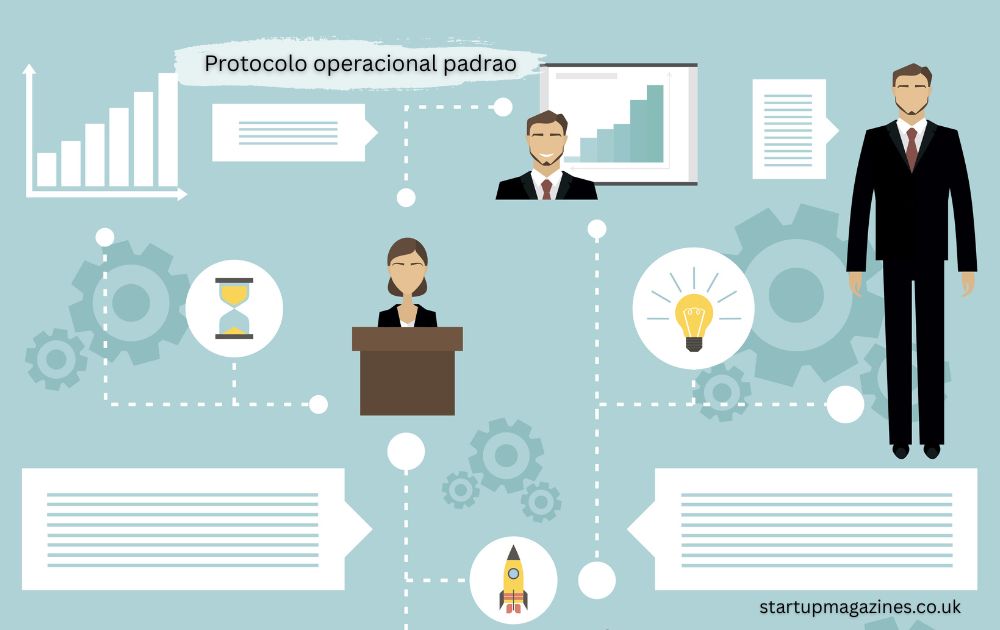
The Protocolo operacional padrao is a structured system designed to ensure that tasks inside an organization are performed in a consistent and controlled way. It works as a guide that removes guesswork and brings clarity to daily operations. In modern industries, where efficiency and accuracy are essential, POP plays a key role in maintaining stable performance. It ensures that every employee follows the same method, which reduces errors and improves overall productivity. Think of it as a reliable map that guides everyone in the same direction, no matter who is performing the task or when it is being done.
What is Protocolo operacional padrao
The Protocolo operacional padrao is essentially a formal document that describes step-by-step instructions for executing a specific task within an organization. It defines what needs to be done, how it should be done, and who is responsible for each action. This eliminates confusion and ensures that processes are standardized across teams. In simple terms, POP is a rulebook for operations that helps organizations maintain order and consistency. It is widely used in industries where precision is important, such as healthcare, manufacturing, and administrative services.
POP vs SOP and Its Global Understanding
POP is commonly used in Portuguese-speaking regions, while SOP (Standard Operating Procedure) is the globally recognized English term for the same concept. Both serve the same purpose of standardizing workflows and improving efficiency. The difference is mainly linguistic rather than functional. While SOP is widely used in international companies, POP is more familiar in Brazil and other Latin American countries. Despite the terminology difference, both systems aim to reduce variation in processes and ensure that tasks are completed in a structured and predictable manner.
Importance of POP in Modern Organizations
The importance of POP in organizations cannot be overstated, as it directly impacts quality, safety, and efficiency. When processes are clearly documented, employees can perform their tasks with confidence and accuracy. This reduces mistakes and ensures that services or products meet expected standards. POP also helps organizations comply with legal and regulatory requirements, especially in highly controlled industries. By minimizing risks and maintaining consistency, it becomes a powerful tool for operational excellence and long-term stability.
Key Elements of a POP Document
A protocolo operacional padrao document is built on clear and structured components that ensure tasks are performed correctly and consistently. It provides all necessary details so employees can follow procedures without confusion.
- Purpose of the procedure
- Step-by-step instructions
- Required materials and tools
- Roles and responsibilities
- Safety guidelines and precautions
Expected results and quality standards
How POP Works in Daily Operations
In real-world applications, POP works as a practical guide that employees follow during their daily tasks. Before starting any operation, workers refer to the POP document to understand the correct procedure. They then follow each step exactly as described, ensuring consistency in output. If any issue arises, the document provides instructions on how to correct it. This system reduces dependency on verbal instructions and ensures that knowledge is stored in a written and accessible format, making operations more reliable and efficient.
Types of Protocolo operacional padrao
The Protocolo operacional padrao is generally divided into different types depending on how and where it is applied within an organization. Each type serves a specific purpose to ensure smooth and standardized operations across different areas.
- Operational POP: Focuses on day-to-day technical or production activities.
- Administrative POP: Covers office tasks like documentation, reporting, and communication.
- Safety POP: Ensures proper procedures are followed to maintain workplace safety and reduce risks.
Benefits of Implementing POP
Implementing a Protocolo operacional padrao brings significant improvements in efficiency, consistency, and quality across organizational processes. It ensures that every task is performed in a standardized way, reducing errors and increasing reliability in daily operations.
Key benefits include:
- Improves productivity by simplifying workflows
- Ensures consistency in task execution
- Reduces errors and operational risks
- Enhances employee training and onboarding
- Strengthens quality control and compliance
Challenges in Using POP Effectively
Despite its advantages, implementing POP is not always simple. One major challenge is resistance from employees who are used to flexible or informal working methods. They may feel restricted by strict procedures. Another challenge is keeping POP documents updated as processes evolve over time. If they are not regularly reviewed, they can become outdated and less effective. Organizations must also ensure proper training so that employees understand and follow the procedures correctly, otherwise the system loses its purpose.
Conclusion
The Protocolo operacional padrao is a powerful tool for creating consistency, efficiency, and reliability in any organization. By standardizing tasks and clearly defining procedures, it eliminates confusion and improves performance across all levels. Whether in healthcare, manufacturing, or office environments, POP ensures that work is done correctly every time. Although it requires discipline and regular updates, its benefits far outweigh the challenges. In a world where precision and quality matter more than ever, POP remains an essential foundation for operational success.


Nimedes: Exploring Nimede, Nimedical, and Eesti Nimede Statistika

Myreadignmnaga: Understanding the Growing Popularity of Online Manga Reading

Pabington: Meaning, Purpose, and Growing Online Curiosity

Be1crypto.com Investment: A Complete Guide for Smart Investors

Keine Karriere Subdomain Gefunden: What It Means and How to Fix It
