
Trends
Sagės and Auksinės Sagės: Timeless Elegance in Jewelry Design

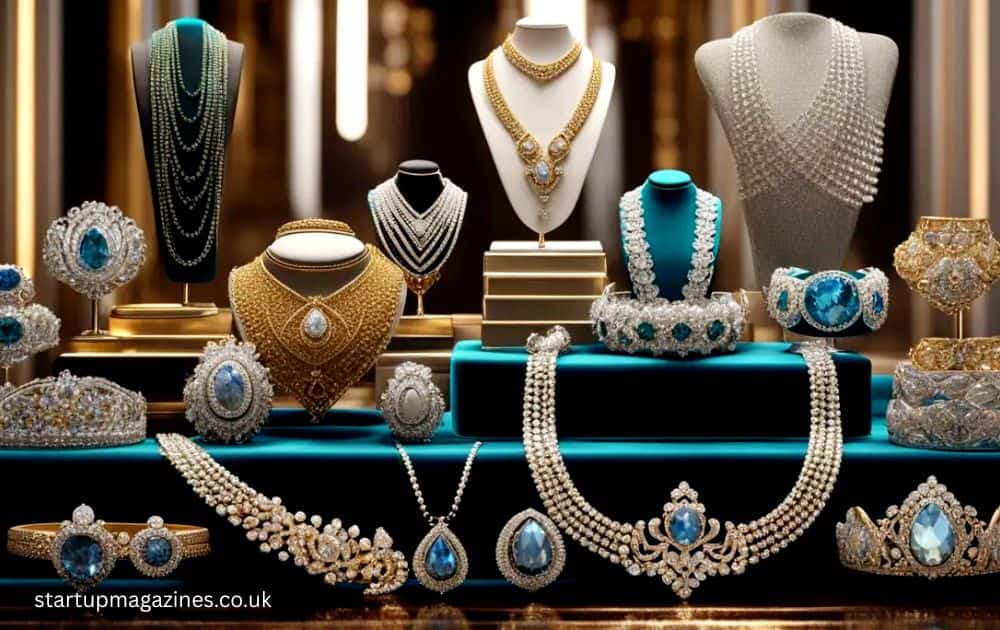
Sagės are elegant decorative brooches that have been used for centuries as both functional and ornamental accessories. They were originally designed to fasten clothing, but over time they became powerful symbols of identity and style. In modern fashion, sagės are appreciated as artistic jewelry pieces that add personality to outfits. Their charm lies in their ability to blend tradition with creativity, making them suitable for both casual and formal wear. Today, sagės continue to evolve while still carrying their historical essence.
Cultural Meaning of Sagės
Sagės hold deep cultural and symbolic meanings in many societies, especially in European and Baltic traditions. They often represent protection, heritage, and social identity. In some cultures, wearing a sagė was believed to bring good fortune or spiritual strength. These small accessories were not just decorative but also meaningful objects passed through generations. Even today, people value sagės for their emotional connection to history and family traditions, making them more than just fashion items.
Historical Background of Sagės
The history of sagės dates back thousands of years when early civilizations used simple metal pins to secure clothing. Over time, these functional items transformed into decorative jewelry pieces with intricate designs. During the medieval period, sagės became more detailed and symbolic, often indicating social rank or cultural belonging. In regions like Lithuania, they played an important role in traditional clothing and folk costumes. Their evolution reflects the journey of human creativity in jewelry making.
The Beauty of Auksinės Sagės
Auksinės sagės, or gold brooches, are among the most luxurious forms of sagės. Gold adds a sense of richness, elegance, and durability that makes these pieces highly desirable. They are often crafted with fine detailing and sometimes decorated with gemstones for added beauty. Auksinės sagės are not only fashion accessories but also valuable items that can be passed down as heirlooms. Their golden glow symbolizes wealth, tradition, and timeless sophistication.
Materials and Craftsmanship
The materials used in sagės significantly influence their appearance and value. Gold is the most prestigious choice, followed by silver and other metal combinations. Many modern designs also incorporate gemstones like diamonds, pearls, or emeralds to enhance visual appeal. Craftsmanship plays a major role, as skilled artisans carefully design each piece to ensure elegance and durability. The combination of quality materials and expert craftsmanship makes sagės unique works of wearable art.
Modern Fashion Influence
In today’s fashion world, sagės have made a strong comeback as stylish accessories. Designers are reintroducing them in innovative ways, blending classic designs with modern aesthetics. They are now seen on runways, red carpets, and social media platforms, worn by celebrities and fashion influencers. This revival shows how traditional jewelry can adapt to modern trends while maintaining its identity. Sagės are no longer old-fashioned; instead, they are trendy statement pieces.
Types of Sagės Today
Sagės today come in different styles that reflect both tradition and modern fashion, allowing people to choose designs based on personal taste and occasion. They range from classic handcrafted pieces to sleek contemporary designs, each offering a unique visual appeal and cultural touch.
- Traditional sagės: Inspired by cultural and historical patterns
- Minimalist sagės: Simple, modern, and elegant designs
- Auksinės sagės: Luxurious gold brooches with premium detailing
Styling Sagės in Everyday Life
One of the most attractive qualities of sagės is their versatility in styling. They can be worn on jackets, dresses, scarves, hats, or even handbags to enhance appearance. A simple brooch can instantly elevate a plain outfit into something elegant and stylish. Modern fashion encourages creativity, allowing people to experiment with different placements and combinations. This flexibility makes sagės a valuable accessory for both everyday wear and special occasions.
Symbolism and Value of Auksinės Sagės
Auksinės sagės carry strong symbolic and emotional value beyond their physical appearance. They often represent wealth, success, and refined taste. In many families, gold brooches are cherished heirlooms that carry stories and memories across generations. Their value is not only financial but also sentimental, making them deeply meaningful possessions. Owning auksinės sagės is often seen as a reflection of elegance and appreciation for timeless craftsmanship.
Buying Guide for Sagės
When purchasing sagės, it is important to consider quality, design, and authenticity. Gold purity plays a major role in determining the value of auksinės sagės, so checking certification is essential. Buyers should also focus on craftsmanship and detailing to ensure long-lasting beauty. Personal style is another key factor, as sagės come in both traditional and modern designs. Choosing the right piece ensures satisfaction and long-term value.
Care and Maintenance of Sagės
Proper care is essential to maintain the beauty and shine of sagės over time. Gold brooches should be cleaned gently using soft cloths and mild cleaning solutions. They should be stored separately to prevent scratches or damage from other jewelry pieces. Avoiding exposure to harsh chemicals helps preserve their original finish. With proper maintenance, sagės can remain beautiful and elegant for many years.
Conclusion
Sagės and auksinės sagės represent a perfect blend of history, culture, and modern fashion. From their ancient origins as functional pins to their current status as luxury accessories, they have maintained their significance across generations. Their beauty lies in their versatility, symbolism, and timeless appeal. Whether worn for tradition or style, sagės continue to hold a special place in the world of jewelry, making them truly unforgettable pieces of art.


Nimedes: Exploring Nimede, Nimedical, and Eesti Nimede Statistika

Myreadignmnaga: Understanding the Growing Popularity of Online Manga Reading

Pabington: Meaning, Purpose, and Growing Online Curiosity

Be1crypto.com Investment: A Complete Guide for Smart Investors

Keine Karriere Subdomain Gefunden: What It Means and How to Fix It
