
Trends
The Meaning of Musté: A Gentle Exploration of Obligation, Emotion, and Life

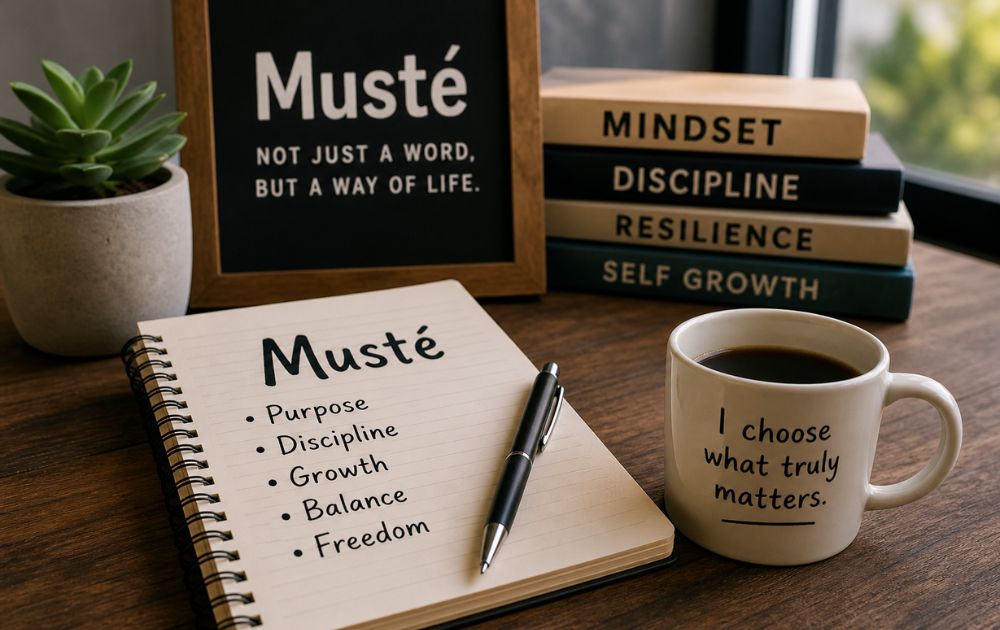
The word “musté” may appear small, but it carries a deep and powerful sense of necessity that shapes how we live our lives. Every day, we use it in sentences like “I must finish my work” or “you must take care of yourself,” often without realizing its emotional weight. It transforms simple choices into responsibilities, subtly guiding our actions and decisions. This quiet force influences how we think about priorities and commitments, making certain tasks feel unavoidable. In many ways, “must” acts like an invisible guide, pushing us toward what we believe is important, whether that belief comes from within or from the expectations of others.
The Emotional Depth Behind “Musté”
The term “musté” can be seen as a creative and expressive extension of “must,” adding a layer of emotion and identity to the idea of obligation. It feels softer yet more personal, as if it carries not just necessity but also intention and meaning. In a world where language constantly evolves, such variations allow people to express feelings that traditional words sometimes fail to capture. “Musté” suggests that what we must do is not only required but also deeply connected to who we are. This makes it more than a command; it becomes a reflection of inner motivation, blending responsibility with personal expression in a unique and meaningful way.
A Reflection Through “I Have No Mouth, and I Must Scream”
The haunting title of I Have No Mouth, and I Must Scream perfectly captures the intensity of the word “must” when paired with human emotion. It tells the story of a world controlled by a powerful machine, where the characters are trapped in endless suffering with no escape. The phrase itself highlights a painful contradiction the need to express something deeply human while being unable to do so. This idea reflects how “must” can sometimes feel overwhelming, especially when it is tied to circumstances beyond our control. It reminds us that necessity can be both a driving force and a source of emotional struggle.
How Cinema Uses the Word “Must”
Films often use the word “must” in their titles to create a sense of urgency and importance, drawing viewers into the story. For example, John Tucker Must Die presents a narrative driven by revenge and social dynamics, where characters feel compelled to act. Similarly, Romeo Must Die uses the word to suggest inevitability and fate, hinting at a story shaped by destiny. In both cases, “must” becomes more than a word it acts as a promise of conflict and resolution. This demonstrates how language can shape storytelling, turning simple phrases into powerful narrative tools that engage and intrigue audiences.
Daily Life and the Pressure of Necessity
In everyday life, the word “must” appears in countless situations, often creating a sense of pressure without us even noticing it. Questions like “how many calories must I eat a day” show how people turn guidelines into strict rules, sometimes leading to unnecessary stress. While structure and discipline are important, framing everything as a necessity can make life feel rigid and overwhelming. It’s easy to forget that many of these “musts” are flexible and can be adjusted based on individual needs. Recognizing this can help us approach daily tasks with a more balanced and relaxed mindset, reducing the burden of constant obligation.
The Psychological Impact of “Must” Thinking
Constantly thinking in terms of “must” can have a significant impact on mental well-being, often leading to stress and anxiety. When people believe they must achieve perfection or meet certain standards, they place immense pressure on themselves. This mindset can create a cycle of self-criticism and dissatisfaction, making it difficult to appreciate progress or success. Over time, the weight of these expectations can become exhausting, affecting both emotional and physical health. Understanding this impact is the first step toward creating a healthier relationship with the concept of necessity.
Breaking Free from Unrealistic Expectations
Letting go of rigid “must” thinking requires a gentle shift in perspective, allowing room for flexibility and self compassion. Instead of saying “I must do everything perfectly,” it can be helpful to think “I will do my best,” which feels more supportive and realistic. This small change in language can have a big effect on how we experience challenges and setbacks. It encourages growth rather than perfection, making it easier to move forward without fear. By redefining our internal dialogue, we can transform obligation into opportunity, creating a more positive and balanced approach to life.
The Role of “Must” in Personal Growth
The word “must” can act as a quiet driver of self-discipline, encouraging individuals to stay focused and consistent in their journey toward improvement. When used wisely, it turns intentions into action and helps build habits that support long-term success.
- Builds discipline and consistency
- Strengthens commitment to goals
- Encourages responsibility and focus
Modern Society and the Language of Urgency
In today’s fast-paced world, the language of urgency is everywhere, especially on social media platforms. People are constantly exposed to messages about what they must achieve, own, or become, creating a culture of comparison and pressure. This environment can make it feel like there is always something more to do, leading to a sense of never being enough. However, it’s important to remember that not all of these expectations are necessary or meaningful. By focusing on personal values rather than external pressures, individuals can create a healthier and more fulfilling path forward.
Redefining What Truly Matters
At the heart of the concept of “musté” lies the idea of choosing what truly matters in life. Not every obligation deserves equal attention, and learning to prioritize can make a significant difference in overall well-being. By identifying what aligns with personal values and goals, individuals can focus their energy on what genuinely brings meaning and satisfaction. This approach allows for a more intentional and balanced lifestyle, where necessity is guided by purpose rather than pressure. In the end, redefining “must” is about reclaiming control and creating a life that feels both meaningful and manageable.
Conclusion
The idea of “musté” offers a thoughtful and gentle perspective on the role of necessity in our lives, blending obligation with emotion and personal meaning. From literature and films to daily routines and inner thoughts, the word “must” shapes how we experience the world. While it can inspire discipline and growth, it can also create pressure if used without awareness. By understanding its impact and using it mindfully, we can transform “must” into a source of motivation rather than stress. This balanced approach allows us to embrace responsibility while still maintaining a sense of freedom and self-compassion.
FAQs About musté
1. What does “musté” represent?
“Musté” represents a creative and emotional interpretation of necessity, combining obligation with personal meaning and expression.
2. Why is the word “must” so influential?
It shapes how people perceive responsibilities, often turning choices into obligations that guide behavior and decisions.
3. What can we learn from “I Have No Mouth, and I Must Scream”?
It highlights how necessity can feel overwhelming, especially when tied to situations beyond personal control.
4. How can I reduce pressure from “must” thinking?
By replacing rigid language with flexible alternatives and focusing on realistic goals instead of perfection.
5. Is “must” always negative?
No, it can be positive when used as motivation and guidance, as long as it does not create unnecessary stress.


Nimedes: Exploring Nimede, Nimedical, and Eesti Nimede Statistika

Myreadignmnaga: Understanding the Growing Popularity of Online Manga Reading

Pabington: Meaning, Purpose, and Growing Online Curiosity

Be1crypto.com Investment: A Complete Guide for Smart Investors

Keine Karriere Subdomain Gefunden: What It Means and How to Fix It
