
Trends
Speciering Uncovered: A Gentle Journey Through Evolution and Bear Speciers

Defining Speciering in Simple Terms
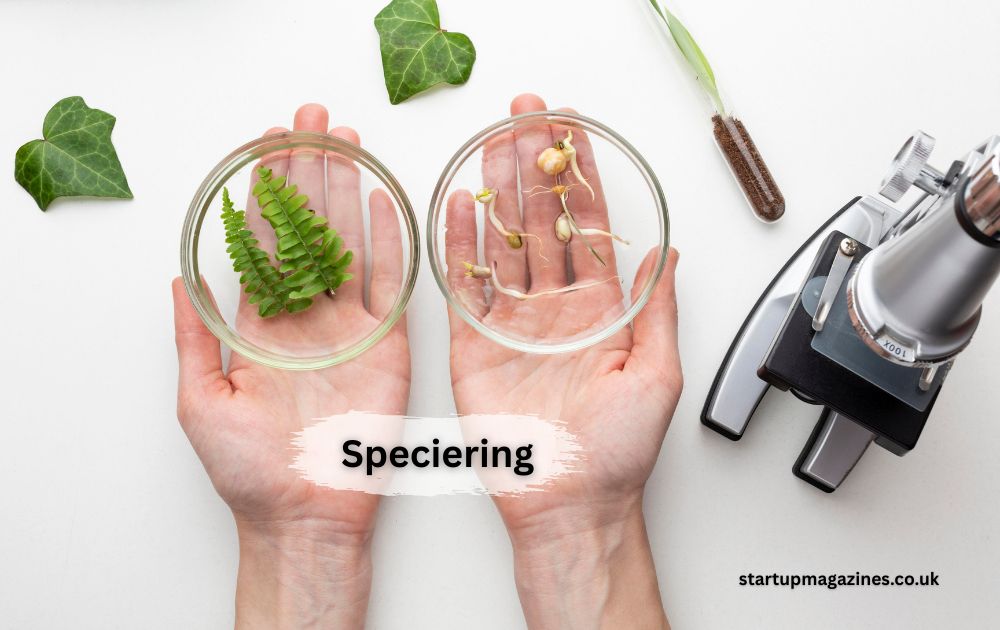
Speciering is the natural process through which new species gradually develop from existing ones over time. It happens when groups of the same organism begin to change due to differences in environment, behavior, or genetics. As these differences grow, the groups become more distinct until they can no longer interbreed. In simple terms, speciering explains how life diversifies and evolves into the many forms we see today.
Why Speciering Is Still Relevant Today
Speciering continues to matter because it helps us understand how life adapts in a rapidly changing world. As environments shift due to climate change and human activity, species must evolve or face extinction. This process gives scientists valuable insights into biodiversity and survival patterns. It also plays a key role in conservation, helping protect ecosystems and the unique species within them.
The Core Mechanics Behind Speciering
Speciering is driven by natural selection, genetic variation, and gradual changes over time. These mechanisms work together to shape populations, allowing new species to emerge as they adapt to different environments.
Role of Natural Selection
At the heart of speciering lies natural selection, a process that quietly decides which traits survive and which fade away. It works like a filter, allowing only the most suitable characteristics to pass through generations.
Genetic Variation and Mutation
While natural selection chooses, genetic variation provides the raw material. Every living organism carries tiny differences in its DNA, and these variations are essential for evolution.
Different Forms of Speciering
Speciering can occur in several ways, depending on how populations separate and evolve over time. It may happen through geographic isolation, shared environments, or small group variations, each leading to the development of distinct species.
Geographic Isolation (Allopatric)
One of the most common ways speciering begins is through physical separation. When a population is divided by mountains, rivers, or other barriers, each group starts evolving independently.
Same-Location Evolution (Sympatric)
Sometimes, speciering occurs without any physical separation at all. This happens when groups within the same environment begin to specialize in different ways.
Transitional Forms (Parapatric & Peripatric)
In some cases, speciering happens along environmental gradients or within small isolated groups. These forms are less obvious but equally important.
Forces That Drive Speciering
Speciering is influenced by a combination of natural forces that quietly guide how species evolve over time. Environmental changes, such as climate shifts or habitat loss, push organisms to adapt in order to survive. At the same time, genetic mutations introduce new traits, while random processes like genetic drift can alter populations in unexpected ways. Together, these forces create the diversity of life we see, gradually leading to the formation of entirely new species.
Exploring Bear Speciers
Bear speciers offer a simple way to explore how evolution works through familiar animals. By observing how different bear types adapt to unique environments, we can better understand how species gradually change and diversify over time.
Meaning Behind Bear Speciers
The idea of bear speciers offers a relatable way to understand speciering. While not a strict scientific term, it refers to how different types of bears can represent evolutionary pathways.
How Bears Demonstrate Evolution
Bears are a perfect example of adaptation in action. Different species of bears have developed unique traits based on where they live.
Real-Life Illustrations of Speciering
Speciering can be seen in nature through how animals and plants adapt to different environments over time. Small changes in behavior, diet, or habitat gradually lead to the development of new and distinct species.
Nature’s Adaptive Examples
Speciering can be seen across countless species. Birds, insects, fish, and mammals all provide examples of how life adapts and diversifies.
Subtle Changes That Create Big Differences
What makes speciering so fascinating is how small changes can lead to major outcomes. A slight shift in diet, behavior, or habitat can set a population on a completely different path.
Modern Applications of Speciering
Speciering isn’t just a biological concept it inspires modern practices too. From organizing complex data in digital systems to targeting specific audiences in marketing, the idea of dividing and adapting populations helps improve efficiency and precision in today’s world.
Speciering in Digital Systems
Interestingly, the idea of speciering has moved beyond biology. In digital systems, it can describe how complex data is broken into meaningful segments.
Audience Segmentation in Marketing
In marketing, speciering takes the form of audience segmentation. Instead of targeting everyone, businesses focus on specific groups with tailored messages.
Why Speciering Matters for Biodiversity
Speciering plays a crucial role in maintaining the richness and balance of ecosystems. By allowing new species to emerge, it ensures that different organisms can occupy unique niches, support each other, and adapt to changing environments. This diversity strengthens ecosystem resilience, making it better equipped to withstand disturbances and environmental shifts, ultimately sustaining life on Earth for generations to come.
Misunderstandings Around Speciering
Many people mistakenly think that speciering happens quickly or in dramatic leaps, but in reality, it’s a slow, gradual process unfolding over generations. Another frequent misconception is that evolution has a specific goal or direction, when in fact it simply responds to environmental pressures and survival challenges. Additionally, some assume that all species evolve in the same way, overlooking how different factors like habitat, population size, and random genetic changes influence the outcome. Understanding these nuances helps clarify how diverse life truly emerges over time.
Looking Ahead: The Future of Speciering
The future of speciering is closely tied to changing climates and human impact, which are accelerating environmental pressures. Some species may adapt and evolve in response, while others could face increased risks of extinction, shaping the next chapter of biodiversity.
Climate Influence
As climates change, species are being forced to adapt more quickly than ever before. This could lead to new speciering events or increased extinction rates.
Human Impact on Evolution
Human activity is shaping the future of speciering in profound ways. Urbanization, pollution, and habitat destruction are altering natural processes.
Conclusion
Speciering is a quiet yet powerful force that shapes the diversity of life around us. From the evolution of bears to the smallest genetic shifts, it tells a story of persistence, adaptation, and transformation. By understanding speciering, we gain a deeper appreciation for the natural world and our place within it.
FAQs About speciering
1. What is speciering in simple words?
It is the gradual process through which new species form over time due to evolution and environmental changes.
2. How do bear speciers help explain evolution?
They provide a relatable example of how animals adapt differently based on their environments, leading to distinct species.
3. Does speciering still happen today?
Yes, it is an ongoing process that continues to shape biodiversity.
4. What triggers speciering?
Environmental changes, genetic mutations, and isolation are key triggers.
5. Why is speciering important?
It helps maintain biodiversity and supports the balance of ecosystems.


Nimedes: Exploring Nimede, Nimedical, and Eesti Nimede Statistika

Myreadignmnaga: Understanding the Growing Popularity of Online Manga Reading

Pabington: Meaning, Purpose, and Growing Online Curiosity

Be1crypto.com Investment: A Complete Guide for Smart Investors

Keine Karriere Subdomain Gefunden: What It Means and How to Fix It
