
Home Decor
Stone Wall for Bathroom: A Natural Way to Elevate Your Space

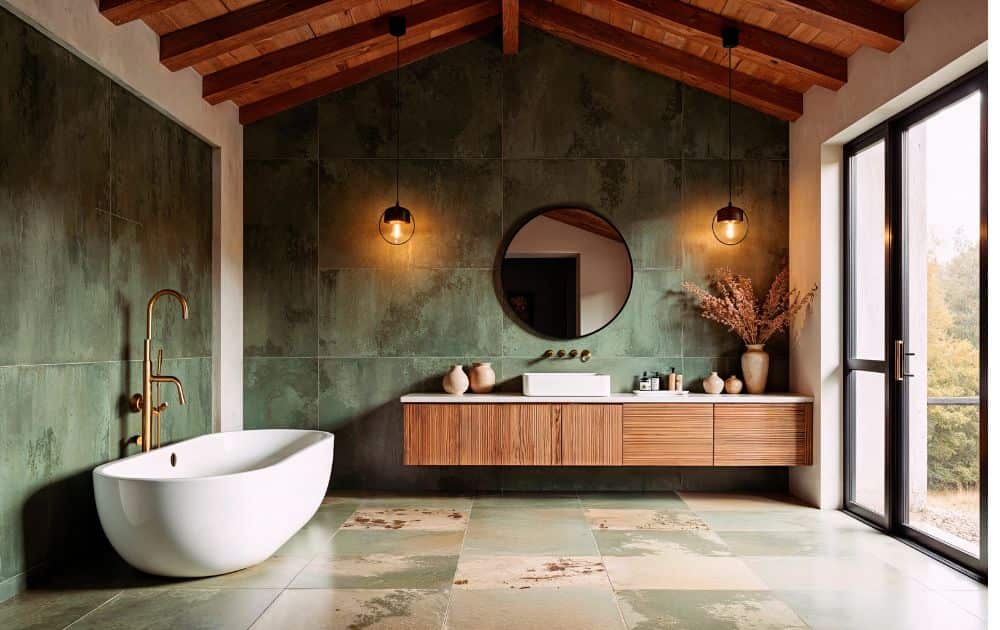
A stone wall for bathroom design brings a refreshing blend of nature and elegance into a space that is often overlooked in home décor. Today, bathrooms are evolving into relaxing retreats rather than just functional areas, and materials like stone play a key role in this transformation. The organic textures and earthy tones of stone create a calming atmosphere that feels both luxurious and grounded. Whether you are renovating or building from scratch, adding stone elements can instantly upgrade the overall aesthetic. It’s not just about looks stone also reflects durability and timeless charm.
Why Stone is Trending in Modern Bathrooms
The growing popularity of stone for bathroom walls can be linked to modern design trends that favor natural and sustainable materials. Homeowners are moving away from synthetic finishes and embracing textures that feel real and authentic. Stone offers that raw beauty, making every wall unique due to its natural variations. It also pairs beautifully with minimalist and contemporary styles, creating a balanced and harmonious environment. As people seek wellness-focused spaces, stone helps create a spa-like experience right at home.
The Rise of Natural Stone for Bathroom Walls
Using natural stone for bathroom wall designs has gained attention because it aligns with eco-conscious living and long-lasting construction. Natural stone is sourced directly from the earth, which gives it a distinctive appearance and depth that manufactured materials often lack. Its ability to age gracefully adds even more appeal over time. Many homeowners appreciate that it does not go out of style, making it a reliable design choice. This rise reflects a shift toward quality over quantity in interior design decisions.
What is a Stone Wall for Bathroom?
A stone wall for bathroom typically refers to surfaces covered with natural or engineered stone tiles, slabs, or panels. These walls are designed to withstand moisture while offering a visually striking appearance. Stone walls can be used in various areas, including shower enclosures, accent walls, or even full bathroom installations. They provide a sense of depth and texture that flat surfaces cannot achieve. Ultimately, a stone wall combines functionality with artistic expression in a unique way.
Types of Stone Used in Bathrooms
There are several types of stones commonly used for bathroom walls, each offering different qualities and styles. Marble is known for its smooth texture and elegant veining, while granite is valued for its strength and durability. Slate provides a rough, natural look, and travertine offers warm, earthy tones that feel inviting. Limestone is another option that gives a soft, subtle appearance. Choosing the right stone depends on your desired look, maintenance preferences, and budget.
Natural vs Engineered Stone
When deciding between natural and engineered stone, it’s important to understand their key differences. Natural stone is unique in every piece, offering organic patterns that cannot be replicated. Engineered stone, on the other hand, is manufactured to have a more uniform look and often requires less maintenance. While natural stone provides authenticity and character, engineered stone offers consistency and affordability. The choice ultimately depends on whether you prioritize uniqueness or convenience.
Benefits of Using Stone for Bathroom Walls
Using stone for bathroom walls offers durability, natural beauty, and long-term value, making it a smart design choice for modern homes. It enhances both functionality and aesthetics while creating a calm, spa like atmosphere.
- Highly durable and long-lasting
- Resistant to moisture and heat
- Adds natural elegance and texture
- Increases property value
- Low maintenance with proper sealing
Durability and Longevity
Stone is one of the most durable materials available for interior design, especially in bathrooms where moisture is constant. When properly installed and maintained, it can last for decades without losing its charm. Unlike other materials that may crack or fade over time, stone retains its structure and appearance. This long lifespan makes it a cost-effective investment in the long run. It’s a material that truly stands the test of time.
Aesthetic Appeal and Natural Beauty
The visual appeal of stone lies in its natural patterns, textures, and colors that cannot be artificially duplicated. Each piece of stone tells its own story, adding depth and personality to your bathroom walls. Whether you prefer a sleek modern look or a rustic feel, stone adapts beautifully to different styles. It creates a sense of luxury without feeling overly extravagant. This balance of elegance and authenticity makes stone a favorite among designers.
Resistance to Moisture and Temperature
Bathrooms are exposed to humidity and temperature fluctuations, which can damage many materials over time. Stone, however, performs exceptionally well in these conditions when properly sealed. It resists moisture penetration and maintains its integrity even in wet environments like showers. This makes it an ideal choice for long-lasting bathroom walls. With proper care, it continues to look fresh and functional for years.
Popular Types of Natural Stone for Bathroom Walls
Several natural stones are widely used for bathroom walls, each offering unique benefits. Marble adds a luxurious touch, granite provides unmatched durability, and slate delivers a textured, earthy feel. Travertine is popular for its warm tones and classic appearance. These options allow homeowners to choose a style that matches their vision. Each stone type contributes to a distinct atmosphere within the bathroom.
Design Ideas for Stone Bathroom Walls
There are countless ways to incorporate stone into bathroom designs, depending on your creativity and space. Some people prefer a bold statement with a full stone wall, while others opt for subtle accents. Mixing stone with other materials like glass or wood can create a balanced and modern look. Lighting also plays a key role in highlighting the texture of stone. These design ideas help transform a simple bathroom into a visually engaging space.
Accent Walls and Feature Designs
An accent wall is one of the easiest ways to introduce stone into your bathroom without overwhelming the space. By focusing on a single wall, you create a focal point that draws attention and adds character. This approach works well in both small and large bathrooms. It allows you to experiment with textures and patterns while keeping the overall design balanced. Accent walls are both stylish and practical.
Full Stone Wall Installations
For those who want a dramatic and immersive design, full stone wall installations are an excellent choice. Covering all walls with stone creates a cohesive and luxurious environment that feels like a high-end spa. This approach works particularly well in larger bathrooms with good lighting. It enhances the natural beauty of the stone and creates a seamless look. The result is a space that feels both elegant and relaxing.
Textured and 3D Stone Walls
Textured and 3D stone walls add depth and dimension to bathroom interiors, making them visually dynamic. These designs play with light and shadow, creating an ever-changing appearance throughout the day. From stacked stone to carved patterns, the possibilities are endless. This style is perfect for those who want a unique and artistic touch. It turns a simple wall into a centerpiece.
Pros and Cons of Stone Bathroom Walls
Like any material, stone walls come with both advantages and disadvantages that should be considered. On the positive side, they offer durability, beauty, and long-term value. However, they can be expensive and may require regular maintenance like sealing. Installation can also be more complex compared to other materials. Understanding these factors helps you make an informed decision.
Installation Process of Stone Walls
Installing stone walls requires careful planning and preparation to ensure long-lasting results. The surface must be properly cleaned, leveled, and waterproofed before placing the stone. Adhesives and grout are used to secure the stones in place. Due to the complexity, professional installation is often recommended. This ensures that the wall remains stable and resistant to moisture.
Maintenance and Care Tips
Keeping a stone wall for bathroom in excellent condition is simple with regular attention and the right approach. Basic care not only preserves its natural beauty but also extends its lifespan effectively.
- Clean with mild, non-acidic cleaners
- Seal the stone periodically for protection
- Avoid harsh chemicals or abrasive tools
- Wipe moisture regularly to prevent stains
Cost of Stone Bathroom Walls
The cost of installing stone walls varies depending on the type of stone and the complexity of the project. Natural stones like marble and granite tend to be more expensive, while options like slate and travertine are more affordable. Installation costs can also add up due to the need for skilled labor. Despite the higher initial investment, stone walls provide long-term value. They enhance both the appearance and resale value of your home.
Conclusion
A stone wall for bathroom design is a perfect blend of style, durability, and natural beauty. It transforms an ordinary space into a relaxing retreat that feels both modern and timeless. With various stone types and design options available, there is something for every taste and budget. Proper installation and maintenance ensure that the beauty lasts for years. Choosing stone is not just a design decision it’s an investment in quality living.
FAQs About stone wall for bathroom
1. Is natural stone suitable for bathroom walls?
Yes, natural stone is highly suitable due to its durability and resistance to moisture when properly sealed.
2. Which stone is best for bathroom walls?
Marble, granite, slate, and travertine are popular choices depending on style and budget.
3. Does stone require a lot of maintenance?
It requires moderate maintenance, including cleaning and periodic sealing.
4. Are stone walls expensive?
They can be costly initially, but they offer long-term value and durability.
5. Can stone walls be used in small bathrooms?
Yes, using accent walls or lighter stone tones can make small bathrooms feel more spacious.


Nimedes: Exploring Nimede, Nimedical, and Eesti Nimede Statistika

Myreadignmnaga: Understanding the Growing Popularity of Online Manga Reading

Pabington: Meaning, Purpose, and Growing Online Curiosity

Be1crypto.com Investment: A Complete Guide for Smart Investors

Keine Karriere Subdomain Gefunden: What It Means and How to Fix It
