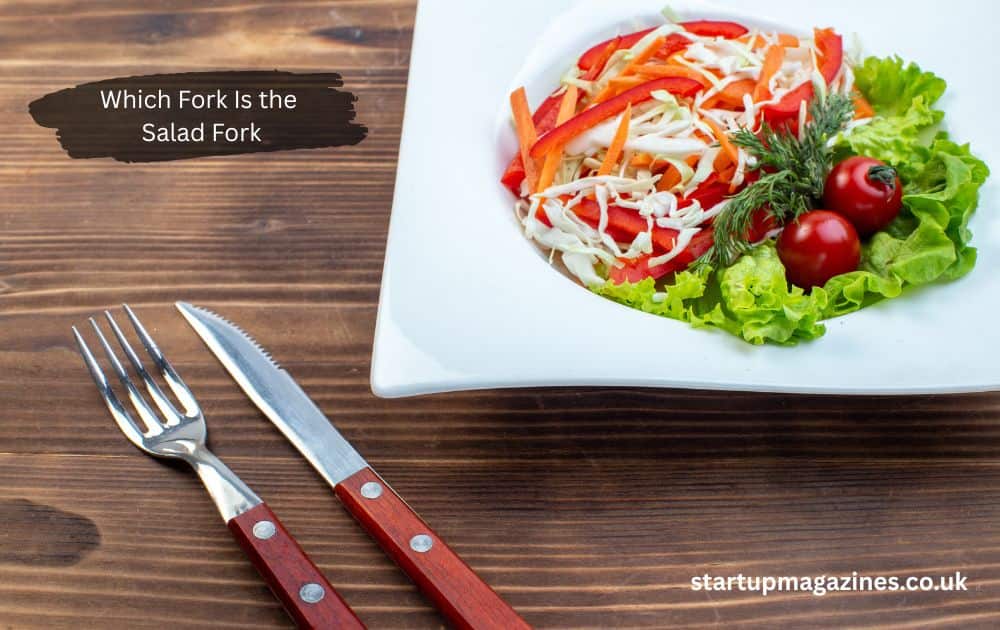
Have you ever sat at a beautifully arranged dining table and wondered which fork to use first? You’re not alone. Table settings can sometimes feel like a puzzle, especially when multiple forks are placed on either side of your plate. Understanding proper table etiquette isn’t just about impressing others it’s about feeling comfortable and confident in any dining situation. Whether you’re attending a formal dinner, a wedding, or simply hosting guests at home, knowing which fork is the salad fork can save you from awkward moments.
The Standard Layout of Utensils
In a standard Western table setting, forks are placed on the left side of the plate, while knives and spoons are placed on the right. The salad fork is usually positioned to the left of the dinner fork, making it the outermost fork. This placement indicates that it will be used before the main course fork. However, in some informal settings, the salad fork may be placed closer to the plate if the salad is served after the main dish.
What Is a Salad Fork?
A salad fork is a smaller dining utensil designed specifically for eating salads and light appetizers. It usually has shorter tines and a slightly wider shape, making it easier to pick up leafy greens and delicate ingredients neatly.
Definition and Purpose
A salad fork is a smaller fork specifically designed for eating salads and other light appetizers. It typically has four tines, just like a dinner fork, but is shorter and slightly wider. This design makes it easier to handle leafy greens, vegetables, and small bites without overwhelming your plate.
When Is a Salad Fork Used?
The salad fork is usually used during the first course if salad is served before the main meal. In some dining traditions, salad may be served after the main course, in which case the placement of the fork might change slightly. Regardless of when it’s used, the salad fork always serves the same purpose helping you enjoy your salad comfortably and neatly.
Which Fork Is the Salad Fork?
The salad fork is typically the smaller fork placed on the outer left side of your plate in a standard table setting. It is designed for the first course, so you use it before the dinner fork. You can easily recognize it by its shorter length and slightly wider shape. Following the outside-in rule makes it simple to choose the correct fork without confusion.
Differences Between Salad Fork and Dinner Fork
At first glance, salad forks and dinner forks may look similar, but there are key differences. The salad fork is smaller and often has a slightly wider shape. In some designs, one of the tines may even be thicker or shaped differently to help cut through vegetables.
Here’s a quick comparison:
Feature
Salad Fork
Dinner Fork
Size
Smaller
Larger
Use
Salads, appetizers
Main course
Position
Outer left
Inner left
Design
Slightly wider tines
Longer and narrower
Understanding these differences makes it much easier to identify the correct fork, even in unfamiliar settings.
Which One Is the Salad Fork in Formal Settings?
In formal dining, the salad fork is usually the smaller fork placed on the outer left side of the plate, following the outside-in rule of utensil use. Its position may shift slightly depending on when the salad is served, but it remains easy to recognize by its size and placement.
Formal vs Informal Table Arrangements
In formal dining settings, the rules are more structured. The salad fork is always placed according to the sequence of courses. If the salad is served first, the fork will be on the outer left. If the salad comes after the main course, it may be placed closer to the plate or brought out later.
Common Mistakes People Make
One common mistake is picking up the largest fork first, assuming it’s the main one to use. Another mistake is ignoring the order of utensils altogether. These small errors can make you feel out of place, especially in formal gatherings.
Is the Salad Fork Big or Small?
The salad fork is typically smaller than the dinner fork, making it easy to handle lighter foods like greens and vegetables. Its compact size allows for better control and more delicate bites during the meal.
Size Comparison: If you’re still wondering, “which fork is the salad fork big or small?” the answer is clear: it’s the smaller one. The salad fork is noticeably shorter than the dinner fork, making it easy to distinguish between the two.
Design Differences: In addition to size, the salad fork may have unique design features. Some salad forks have a slightly curved edge or a wider tine to help cut through lettuce and vegetables. These subtle differences make the fork more functional for its intended use.
How to Identify the Salad Fork Quickly
You can easily spot the salad fork by looking for the smaller fork placed on the outer left side of your plate, as it’s typically used first. Just remember the simple rule start from the outside and work your way inward.
Easy Tricks for Beginners
Identifying the salad fork doesn’t have to be complicated. Here are a few simple tricks:
Look for the outermost fork on the left
Choose the smaller fork
Follow the outside in rule
These tips can help you quickly spot the salad fork, even if you’re new to formal dining.
Visual Clues to Remember
Think of the salad fork as the “starter fork.” Since salads are often served first, the fork you use first is usually the salad fork. This mental shortcut can make a big difference when you’re unsure.
Cultural Differences in Fork Usage
Dining customs vary across cultures, and the way forks are used can differ significantly from one country to another. In some regions, the salad course may come after the main meal, which can change how and when the salad fork is used. Understanding these small variations helps you adapt easily and dine with confidence in different cultural settings.
Western Dining Etiquette: In Western cultures, table settings follow a structured pattern. The placement of forks, knives, and spoons is based on the order of courses. This system makes it easier for diners to know which utensil to use without asking.
Variations Across Countries: Different countries may have slight variations in their table settings. For example, in some European traditions, the salad may be served after the main course, which changes the placement of the salad fork. Despite these differences, the basic principles remain the same.
Tips for Using the Salad Fork Properly
Use your salad fork gently, holding it comfortably to pick up small portions without overloading it. Take neat bites and move at a relaxed pace to maintain good table manners and enjoy your meal gracefully.
Holding the Fork Correctly
Using a salad fork properly is just as important as identifying it. Hold the fork comfortably in your left hand, with the tines facing downward. This grip allows for better control when picking up salad ingredients.
Eating Salad Gracefully
Eating salad gracefully involves taking small, manageable bites and avoiding overloading your fork. Cut larger pieces if necessary, and take your time. Good etiquette is all about being mindful and respectful at the table.
Conclusion
Understanding which fork is the salad fork doesn’t have to be confusing. Once you know the basic rules like the outside in method and the size difference, you can easily identify the correct utensil in any setting. The salad fork is typically the smaller fork placed on the outer left side of your plate, designed specifically for lighter dishes like salads. With a little practice, using the right fork becomes second nature, allowing you to enjoy your meal with confidence and ease.
FAQs About which fork is the salad fork
1. Which is the salad fork on a table setting?
The salad fork is usually the outermost fork on the left side of the plate and is smaller than the dinner fork.
2. Which one is the salad fork if there are two forks?
If there are two forks, the smaller one placed farther from the plate is the salad fork.
3. Which fork is the salad fork big or small?
The salad fork is the smaller fork compared to the dinner fork.
4. Can the salad fork be placed differently?
Yes, in some settings where salad is served later, the fork placement may change slightly.
5. Do all meals include a salad fork?
No, informal meals may only have one fork, which is used for all courses.